
Joint Pain Clinic in Cape Coral and Southwest Florida
The information on this page is for educational purposes only and should not be considered medical advice. Individual treatment recommendations vary by patient. Please consult a qualified medical provider for diagnosis and treatment options.
Joint pain can interfere with daily activities, mobility, work, and overall quality of life. At Pain Centers of SWFL, we provide personalized treatment options for patients experiencing chronic joint pain throughout Cape Coral, North Fort Myers, Pine Island, and surrounding Southwest Florida communities.
Joint discomfort may affect the knees, shoulders, hips, elbows, wrists, ankles, or multiple joints at the same time. Whether your symptoms are related to arthritis, inflammation, injury, aging, or repetitive movement, our team focuses on individualized treatment plans designed to help manage pain and improve daily function.
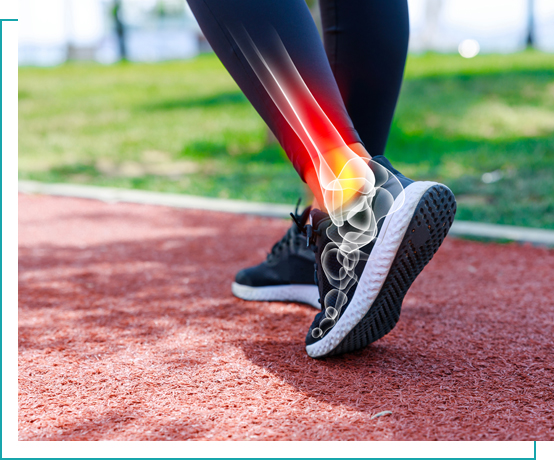
Common Causes of Joint Pain
Joint pain may develop for many different reasons. Some patients experience pain after an injury or accident, while others develop gradual stiffness and inflammation over time.
Arthritis is one of the most common causes of chronic joint pain. Osteoarthritis develops when cartilage within the joints begins to wear down, leading to inflammation, swelling, stiffness, and reduced mobility.
Additional causes of joint pain may include:
-
Rheumatoid arthritis
-
Tendon inflammation
-
Bursitis
-
Sports injuries
-
Repetitive stress injuries
-
Auto accident injuries
-
Joint instability
-
Nerve irritation
-
Aging-related degeneration
-
Overuse conditions
Because many conditions can contribute to joint pain, proper evaluation is important when developing a treatment plan.


Symptoms Associated With Joint Pain
Joint pain symptoms vary depending on the underlying condition and severity of inflammation.
Common symptoms may include:
-
Stiffness
-
Swelling
-
Reduced flexibility
-
Pain with movement
-
Tenderness around the joint
-
Clicking or popping sensations
-
Warmth or inflammation
-
Difficulty walking or lifting
-
Reduced range of motion
-
Weakness surrounding the joint
Joint Pain Treatments We Offer
Treatment options may include:
1
Joint Injections
2
Medication Management
3
Nerve Blocks
4
Physical Therapy Coordination
5
Minimally Invasive Pain Procedures
When Should You See a Specialist for Joint Pain?

You should seek medical evaluation if your joint pain:
-
Persists for several weeks
-
Limits movement or mobility
-
Causes swelling or inflammation
-
Develops after an injury or accident
-
Worsens over time
-
Interferes with work or exercise
Frequently Asked Questions About Joint Pain
Yes. Herniated discs are one of the most common causes of chronic back pain and nerve-related symptoms.